Upgrade Your Property With Professional Fence Installation
Enhancing a property via professional fence installation is a sensible option for residential homeowners. Fences are designed to boost security and privacy but also add to the general visual appeal of a home. With various styles and materials available, picking the most suitable option can be daunting. Familiarizing oneself with the advantages and processes can make this project more manageable. What key considerations should homeowners weigh to ensure the investment pays off?
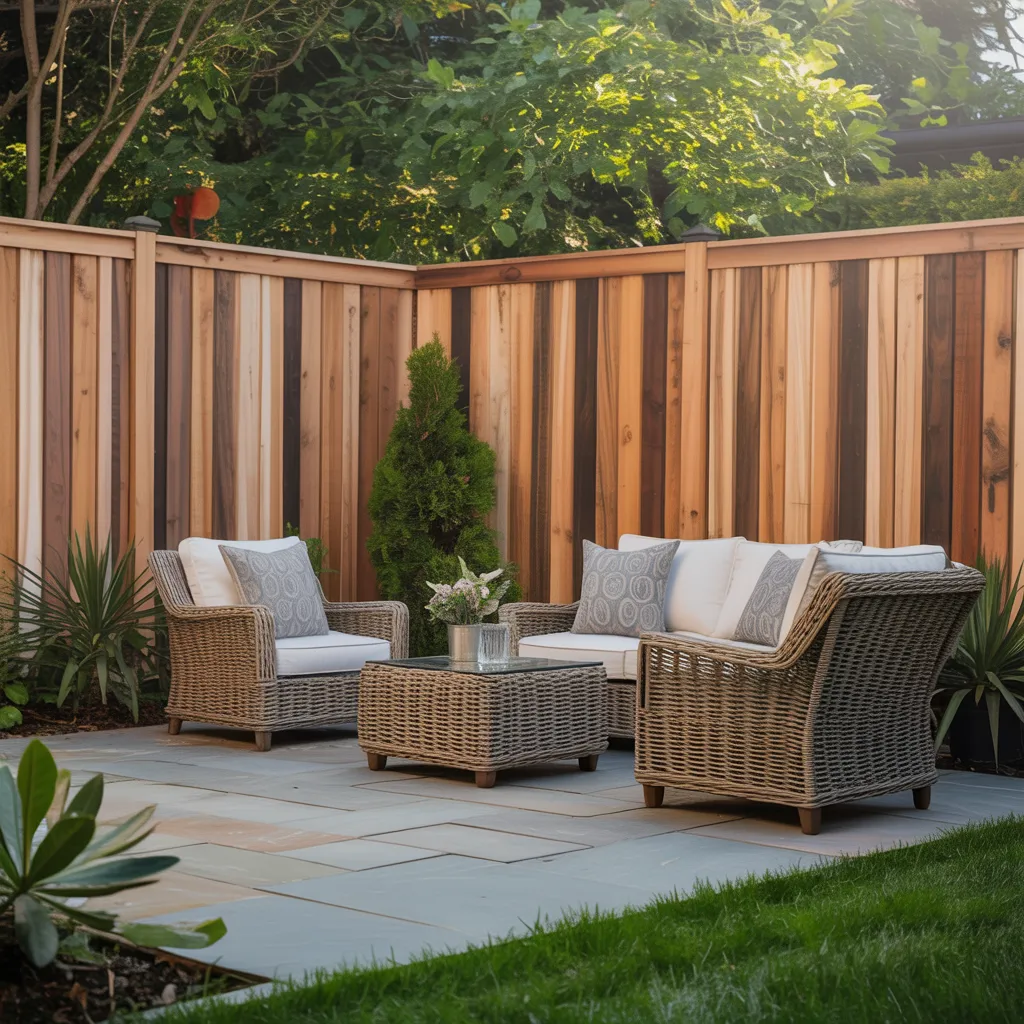
Why Should You Invest in a Professional Fence for Security and Aesthetics?
When homeowners look to upgrade their property, choosing a professional fencing solution fulfills both protective and decorative needs. A well-installed fence acts as a formidable barrier, deterring intruders and providing peace of mind. It establishes a clear boundary, keeping children and pets safe while increasing privacy.
Apart from security, the selection of materials and design can substantially boost a property's visual appeal. A expertly installed fence complements the home's architectural style, establishing a harmonious aesthetic that elevates the property's appearance. Superior materials and professional workmanship provide long-lasting performance, lowering future maintenance expenses.
Additionally, a fence can elevate property value, making it a strategic investment. Potential buyers often view well-defined outdoor spaces as desirable features, which can lead to quicker sales and higher offers. Ultimately, a skilled fence installation not only bolsters safety but also redefines the overall visual appeal of a property, making it a worthwhile investment for home owners.
Common Fencing Styles to Elevate Your Curb Appeal
When considering fence installation, various styles can greatly improve a property's curb appeal. Classic wooden fences offer timeless charm, while sophisticated vinyl choices offer durability and minimal upkeep. For a sleek appearance, modern metal designs deliver both style and strength, catering to diverse aesthetic preferences.
Classic Wooden Fences
Classic wooden fences are an enduring option for homeowners who want to boost their property's curb appeal. Their natural appearance enhances numerous architectural styles, from traditional to modern. Available in numerous designs, including picket, board-on-board, and shadowbox, wood fences can be customized to suit personal tastes and landscaping needs. The warm tones of wood add a timeless character that can ease the appearance of any home, establishing a welcoming environment. Additionally, these fences can provide privacy while still permitting airflow and natural light. With proper maintenance, including staining and sealing, wooden fences are built to last, cementing their status as a worthwhile investment. Ultimately, they serve as both a functional boundary and a striking addition that improves the complete visual appeal of a home.
Premium Vinyl Alternatives
As more homeowners look for upkeep-free alternatives that still deliver elegance, attractive vinyl fence solutions have risen to prominence to elevate the look of any property. These fences are available in various designs, including classic picket styles and sleek privacy panels, enabling homeowners to complement their home's style with ease. Vinyl fencing holds up against fading, warping, and rust, ensuring durability and long-term beauty. Available in a broad selection of hues and finishes, they are capable of imitating wood's warmth or delivering a sleek, modern look. Furthermore, their polished surfaces require minimal cleaning effort, making them practical for busy lifestyles. By opting for stylish vinyl fencing, homeowners can achieve a refined look while enjoying the benefits of minimal upkeep and high resilience.
Contemporary Metal Designs
Horizontal panels, geometric patterns, and combined materials have emerged as popular options, creating visual interest and a modern look. Furthermore, metal fencing can fulfill functional roles, such as delivering security without compromising aesthetics. Certain homeowners opt for aesthetic additions, like laser-cut motifs, to introduce a distinctive element. Overall, modern metal fencing not only elevates visual attractiveness but also adds to a property's worth and durability.
Choosing the Right Fence Material for Your Needs
Picking the ideal fence material is vital for both practicality and visual appeal. Options such as wood, vinyl, and metal each offers distinct advantages that cater to different needs and preferences. Understanding these benefits can help homeowners make informed decisions for their property fencing needs.
Wood Fence Benefits
Wood fencing offers a timeless look that enhances the charm of any property while providing numerous practical benefits. Among its greatest strengths is flexibility; timber can be tailored in various styles, heights, and finishes to match a wide range of home designs. Additionally, wood functions as an effective insulator, contributing to noise reduction and increased privacy. It is also biodegradable, making it a responsible selection compared to synthetic materials. With routine upkeep, wood fences offer lasting performance, combining long-lasting strength with aesthetic charm. Beyond that, wood can be easily repaired or replaced, offering homeowners an economical option over time. In conclusion, wood fencing improves curb appeal and meets everyday functional needs, making it a top selection for countless property owners.
Vinyl Fencing Durability
Vinyl fencing stands out as a resilient option compared to standard wooden fencing materials. Celebrated for its ability to resist rot, decay, and pests, vinyl provides long-lasting protection without the need for regular maintenance. As opposed to wood, which is prone to warping and splintering, vinyl maintains its structural integrity and aesthetic appeal even in harsh weather conditions. The material features UV resistance as well, guarding against fading and color loss from sunlight. Furthermore, vinyl fences are available in numerous styles and colors, allowing homeowners to choose designs that complement their property. Although upfront costs can exceed those of wood, the lasting performance and reduced maintenance of vinyl fencing render it an economical decision in the long term. In summary, vinyl fencing represents a functional and sturdy choice for improving any property.
Metal Choices Explained
When evaluating fencing options, metal fencing materials including aluminum and steel offer robust solutions tailored to various needs. Aluminum is lightweight, resistant to corrosion, and requires minimal maintenance, rendering it highly suitable for residential use. It presents an attractive solution that enhances a variety of architectural styles. Conversely, steel is recognized for its toughness and longevity, making it suitable for security-focused installations. It endures severe weather conditions and physical force, providing enduring protection. Nevertheless, steel might need periodic upkeep to avoid corrosion. Ultimately, selecting between aluminum and steel relies on considerations such as budget, visual preferences, and specific performance demands. Recognizing these differences can significantly boost property value while aligning with individual preferences.
5 Key Advantages of Professional Fence Installation
While many homeowners may consider a DIY approach to fence installation, choosing professional services provides considerable benefits. For starters, professionals bring expertise and experience, guaranteeing that the fence is installed correctly and efficiently. Second, professionals typically have access to premium materials and equipment, producing a long-lasting and visually appealing result. Moreover, professional installation can save homeowners time, allowing them to focus on other priorities rather than maneuvering through a complex project. In addition, experts can provide valuable advice on design and placement, tailoring the fence to meet specific needs and local regulations. Lastly, numerous professional companies provide warranties, offering reassurance about the durability and craftsmanship of the installation. In summary, choosing professional fence installation not only boosts property value but also ensures a stress-free experience for the homeowner.
What Happens During Fence Installation
Anticipating the fence installation process helps homeowners to anticipate the transformation of their outdoor space. Generally, the process begins with an inspection of the property, where experts assess the area and discuss design options. Subsequently, homeowners can expect the outlining of property boundaries, securing compliance with municipal guidelines and neighborly arrangements.
Once preparations are complete, the installation crew will start digging post holes and fastening the fence panels or boards. This stage may involve concrete for added stability. Homeowners should be aware of potential noise and disruption during this phase, as machinery and tools will be in use.
Finally, the crew will carry out a comprehensive check to verify everything is aligned and secure. Once the installation is finished, homeowners will get helpful advice about any necessary upkeep requirements. In general, being familiar with this procedure encourages a more effortless experience and enhances satisfaction with the newly installed fence.
How to Care for Your New Fence
After the successful installation of a new fence, adequate upkeep is necessary to ensure its durability and visual appeal. Regular maintenance is vital, beginning with scheduled checks for damage indicators, such as rotting wood or rusted metal. Washing the fence a minimum of once annually helps remove dirt and debris, maintaining its pleasing appearance. For wooden fences, using a weather-resistant sealant or stain periodically can prevent moisture damage and UV degradation. Iron or steel fences can benefit from rust-inhibiting paint to protect against oxidation and decay. Additionally, trimming back vegetation that encroaches on the fence can prevent pests and decay. It is also important to address any issues promptly, as neglect can lead to more significant problems down the line. By implementing these upkeep recommendations, residents can benefit from their new fence for numerous years while maintaining its strength and beauty.
Partnering With Fence Installation Experts
When homeowners decide to enhance their property with a new fence, collaborating with experienced installation professionals can greatly simplify the process. These specialists provide important insight into materials, design alternatives, and local requirements, guaranteeing that the project reflects the homeowner's goals and conforms to zoning regulations.
Before starting, it's helpful for property owners discover the information to express their preferences clearly, including the preferred purpose, style, and height of the fencing. Professionals can then offer customized recommendations, helping to steer clear of frequent errors.
Moreover, scheduling a consultation provides an assessment of the location, pinpointing any foreseeable issues such as uneven ground or current landscaping features.
Budgeting for Your Fence Installation Project
Planning a budget for a fence installation calls for careful assessment of multiple factors that may affect total expenses. To begin with, material selection plays a crucial role; wood, vinyl, and metal options differ considerably in pricing and ongoing maintenance. Next, the size and complexity of the property should be evaluated, given that larger or non-standard yard shapes frequently call for increased labor and materials.
Labor costs can vary widely according to local market rates and the proficiency of the installers. Homeowners need to account for permits and local zoning ordinances, that may lead to supplementary costs. It is also wise to allocate a contingency fund for unanticipated expenditures. Through a thorough analysis of these components, individuals can create a realistic budget that aligns with their financial capabilities as they secure the installation of a superior fence that adds value to their home.
Frequently Asked Questions
How Long Will a Typical Fence Installation Usually Take?
A standard fence installation could span anywhere from one day to multiple days, based on factors including the fence type, the terrain, and the overall property size, as well as weather conditions that can impact the overall schedule.
Is It Possible to Install a Fence Myself?
Certainly, a homeowner can set up a fence on their own. However, it necessitates thorough preparation, proper equipment, and familiarity with local rules. Success copyrights on the individual's capabilities and commitment to the undertaking.
What Permits Are Required for Fence Installation?
Local ordinances commonly mandate fencing permits prior to installation, which differ from one municipality to another. Homeowners should consult their city or county zoning authority to determine specific requirements, including property boundary rules, height limitations, and applicable HOA regulations that may apply.
Will My Fence Affect My Property Value?
A properly built fence can increase property value by elevating visual appeal and ensuring privacy, while deteriorating or poorly designed fences may detract from it. Ultimately, quality and design strongly affect the perceived value of a property.
How Can I Select a Trustworthy Fence Contractor?
To select a reputable fencing contractor, one should research reviews, confirm qualifications, gather multiple bids, and review completed projects. Establishing clear dialogue and a thorough understanding of the agreement will further improve the process of making an informed choice.